
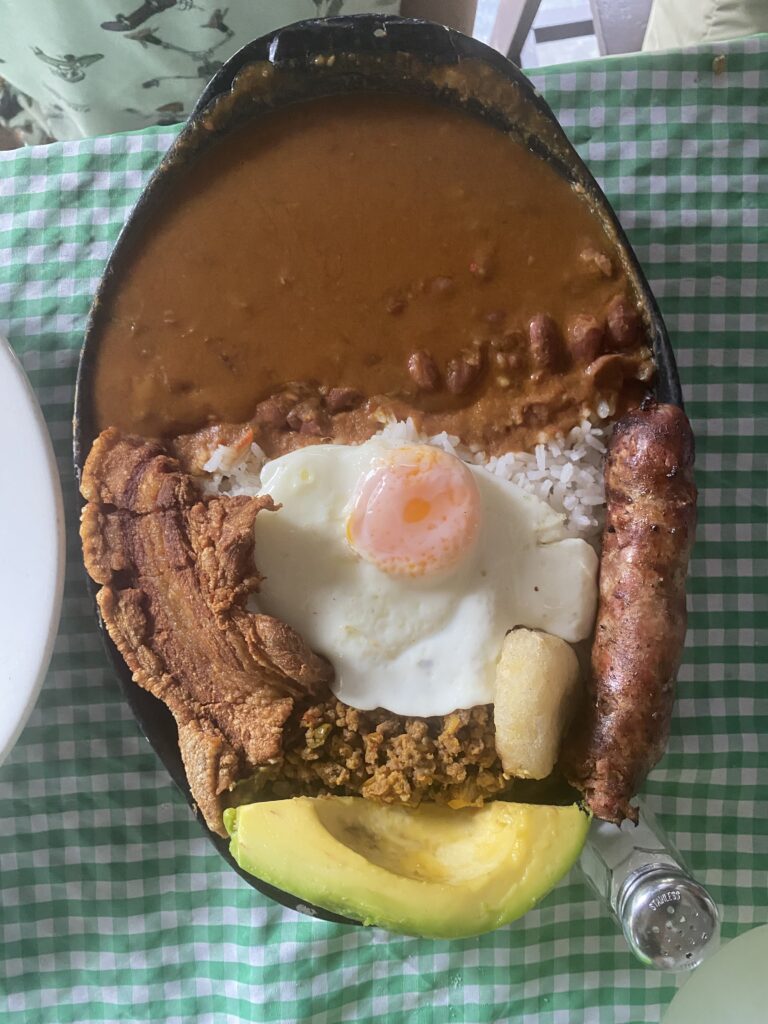
The question we ask ourselves after getting our lab results from our blood work.
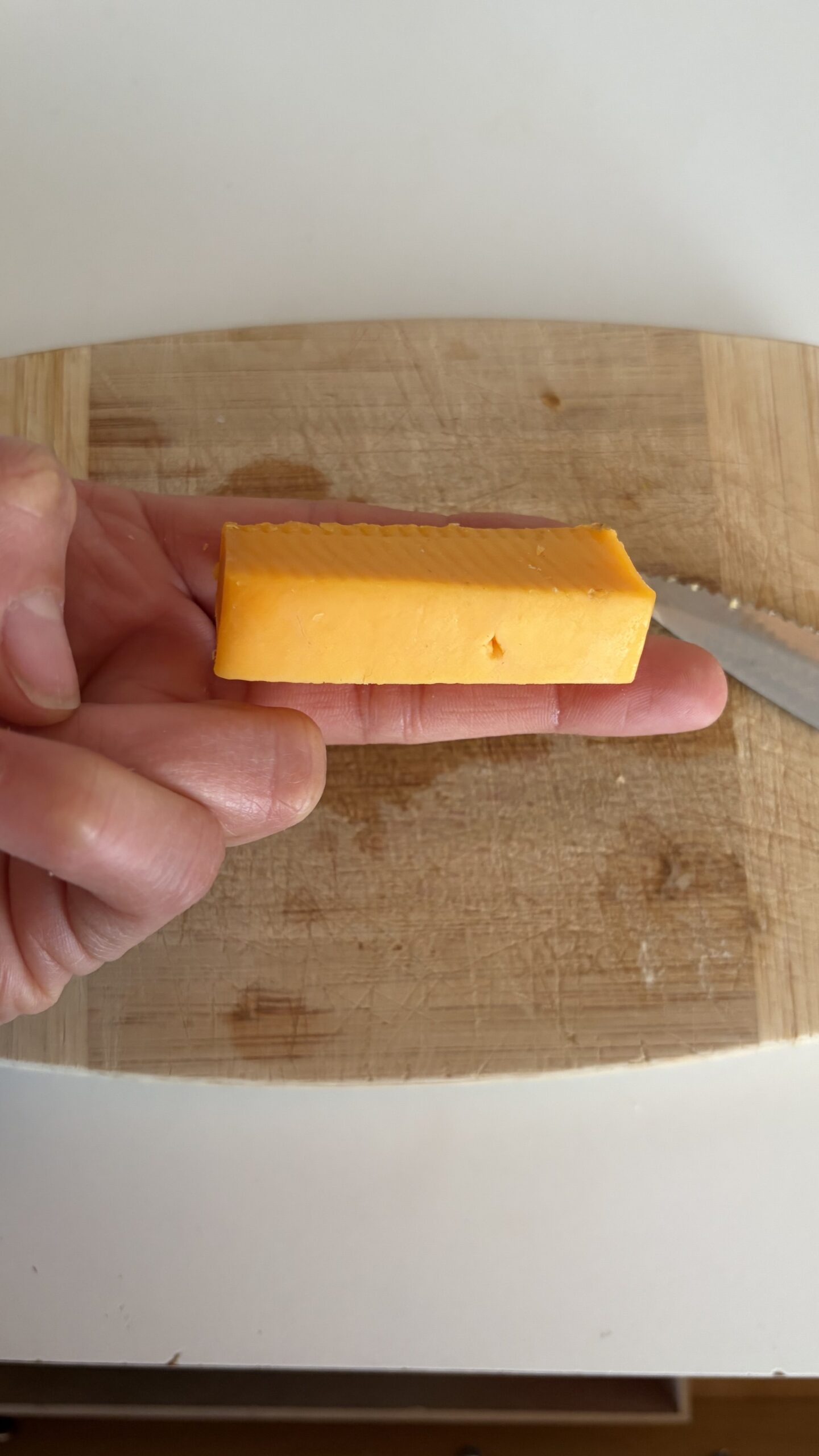
Cholesterol is not the enemy.
I know this is not your typical statement when you hear cholesterol, but let’s find out what it actually is, how it works, and how we can manage our own.
Don’t worry, we will keep it concise.
Cholesterol is natural to our bodies. Our liver produces it. The amount that your liver produces is going to depend on your DNA. Your genetic make-up. What makes you, you.
For example, I am someone who inherited a higher production of cholesterol. This was first discovered when I was 18. The doctor was surprised because I did not present as someone who may have high cholesterol (society’s view of people with large bodies and health).
Since then I had to be more conscious of how often and how much food high in saturated fats I was eating to make sure I kept my cholesterol levels at bay and not over. I may need medication in the future.
Now this is something you can start to investigate even before you get bloodwork. You can ask your parents and family members if they have ever had high cholesterol or if they are on medication to manage it. Please then follow up with your health provider to get a Rx for blood work.
So why does our body produce cholesterol? Cholesterol is used for building your cell membranes ( helping your blood cells not collapse). It is also needed to make vitamin D, hormones like testosterone and estrogen, and bile acids that are in charge of fat digestion.
Bottom line: 80 % of cholesterol production comes from you. Your liver produces it in order to fulfill those needs listed above. The 20 % then comes from the foods you eat. (Harvard Health)
So do we cut out all foods containing high cholesterol or saturated fats to avoid getting sick?
Not necessarily. Unless you want to.
Cholesterol from food is not inherently bad. Especially when that food also contains key nutrients (eggs) for your overall health and, on top of that, they are combined with other foods that help cholesterol pass through your system and not get stuck.
If the goal is to manage your cholesterol levels better, then taking a look at your overall eating patterns is the first step. Perhaps there is an overconsumption of foods high in fat and a lack of consumption of fiber rich food.
When we eat more fiber- rich food over time, then the fiber collects the cholesterol as it makes its way down your digestive track. This means you could see your cholesterol levels go down. Not to mention the added benefits of fiber-rich foods like the micronutrients, satiety, and weight management.
This may be the solution for some folks while for others it may include medication as well.
So no, cholesterol is not the enemy, it’s the lack of personalization and self-awareness when it comes to health and your diet. Also, we are so accustomed to hearing good or bad when it comes to food instead of it depends. Remember context matters. Your genes, your lifestyle, your access, all of it matters.
I have a free how to increase fiber guide. If you are interested please click here.

I have a free How to Increase Fiber Guide. If you are interested please click here.